How to Build a Sustainable AI Engineering Career
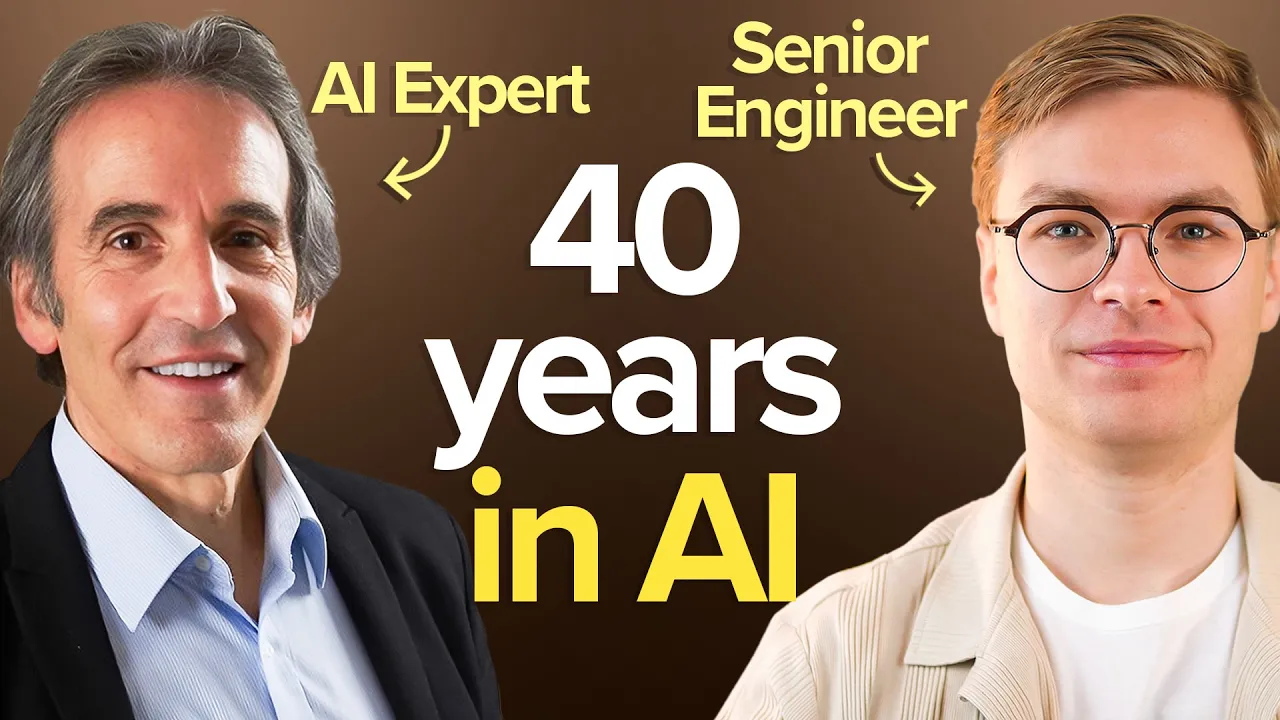
You can learn to code in months. You can master a new AI framework in weeks. But trust? Trust takes years to build. And according to an AI engineer who’s been in the field for over 40 years, working with everyone from Airbus to Disney, trust is the one asset that makes you irreplaceable.
I recently sat down with this veteran engineer, and what struck me most wasn’t the technical brilliance. It was the ethical framework and relationship-building strategy that carried him through multiple AI winters and boom cycles. The lessons here go far beyond any technical skill.
The Seven Minute CEO Test
Here’s something that will change how you think about business meetings. This engineer shared that when you meet with a CEO, you have about seven minutes. Sometimes just two. And here’s the critical part: they’re not listening to what you’re saying. They’re listening to who you are.
A CEO is looking for two things only. Can I trust this person? Is this profitable? If both answers are yes, you move forward. If either one is no, you’re out of the office. It doesn’t matter how brilliant your technical solution is or how impressive your resume looks.
But here’s what makes this really interesting. If you’ve spent years or decades building trust through your actions and choices, it vibrates through how you present yourself. The way you talk, the way you carry yourself, the references you bring. CEOs can sense it immediately.
This isn’t some abstract concept. It’s about the choices you make on every single project. And sometimes those choices cost you in the short term but pay massive dividends over decades.
The Choice That Builds Reputation
Let me share a story that perfectly illustrates this. He was working with a company in Belgium where he’d developed an algorithm that could save them 1% of their yearly consumption of an expensive resource. We’re talking millions and millions of euros. There were five people doing this work manually, but his system could beat them every time.
The company was ready to sign the contract. But they also made it clear those five people would no longer be needed. And here’s where most consultants would just sign and move on. The money was on the table. He had financial problems at the time, debt, a mortgage, real pressure to say yes.
Instead, he said no. Either you keep these five people, or I’m leaving right now. He literally threw his car keys on the table and was ready to walk away from a massive payday because he refused to hurt people.
Think about what happened next. Word got around. CEOs talk to each other. And suddenly he had a reputation as someone you could trust with anything. Someone who wouldn’t hurt your people. Someone who thought long-term about the impact of his solutions. That reputation brought him decades of work.
Trust Compounds Over Time
This approach created a compound effect. When Air France hired him, he didn’t then go pitch Boeing. When he worked with one luxury brand, he didn’t immediately approach their competitors. People would ask him why he was leaving money on the table, and his answer was simple: I don’t need that money, and I value trust more than scale.
At one point, he was maintaining about 50% of anything flying over his head in France. Thousands of airplanes. But he built that by being someone companies could trust completely, knowing he’d never take their knowledge to a competitor.
This kind of trust also meant he could work with entire supply chains. When a problem came up, clients would ask him to go talk to their suppliers. Then the suppliers would ask him to check on their suppliers. He could go five levels deep in a supply chain because everyone trusted him not to harm their business relationships.
If you’re building your AI career, this matters more than you might think. The technical landscape changes constantly, but your reputation follows you everywhere.
The Human Element That AI Can’t Replace
Here’s something he mentioned that really stuck with me. He always made sure to say hello to everyone. Not just the managers and executives, but the salespeople, the factory workers, everyone. When someone asked him why, his answer was simple: I like people, and it makes me feel good.
That human element, that genuine care for people, shows up in how you approach problems. When you go into a company focused on understanding their people first, they open up. They tell you everything they know. And suddenly you’re not just implementing a technical solution. You’re capturing the wisdom of experienced workers and making them more effective.
This connects directly to building AI solutions that actually work in production. The companies where he worked kept systems running for 20 years because the users loved him. They knew he fought to keep their jobs, he understood their work, and he made them more valuable to their company.
Building Your Trust-Based Career
So how do you actually build this as an AI engineer today? Start by making ethical choices even when they’re expensive. Don’t accept projects that hurt people just to make a quick buck. Think about displacement, not just replacement. Make sure the humans in the system have a path forward.
Build relationships by genuinely caring about understanding people’s work. Spend time with the actual users, not just the executives. Learn what makes their jobs hard and what they’re proud of in their work.
And recognize that your GitHub portfolio or your technical certifications matter far less than the story you can tell about how you’ve helped companies and protected their people. Anyone can generate a code repository in minutes now. But building a track record of successful AI implementations that people trust? That takes years and intentional choices.
The engineers who are still thriving 40 years from now will be the ones who built trust, not just technical skills.
To hear the complete interview with this veteran AI engineer and learn more about building long-term career success, watch the full video tutorial on YouTube. You’ll get the full context and additional insights not covered here. If you’re interested in connecting with other AI engineers focused on sustainable career growth, join the AI Engineering community where we share experiences and support each other’s learning journey.