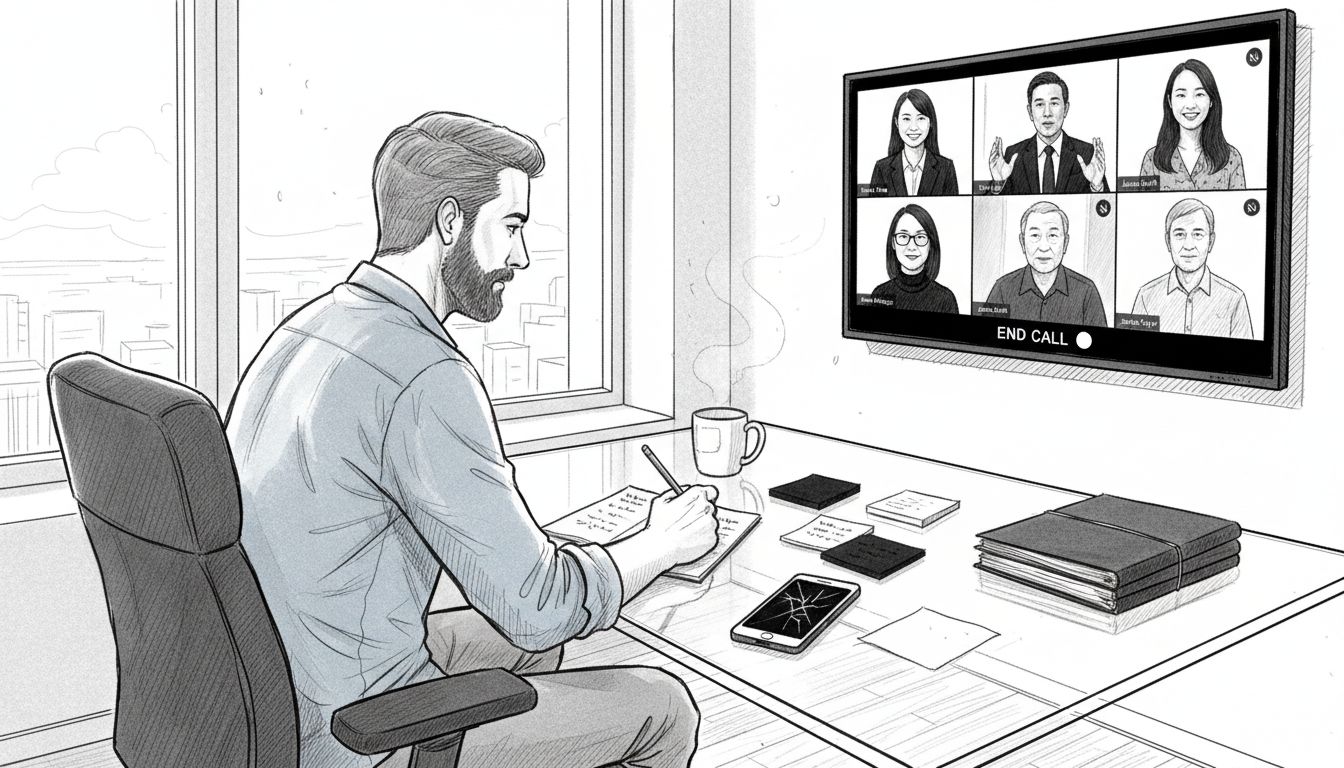
Communication in Remote Teams Tools Trust and Time Zones
Most American professionals have discovered that remote team communication changes everything about how work gets done. With over 40 percent of the American workforce now working remotely in some capacity, finding effective ways to stay connected is more important than ever. This guide explores the essentials of successful remote collaboration, breaking down the technology, skills, and strategies every team needs to thrive across cities, states, or even continents.
Table of Contents
- Defining Remote Team Communication
- Communication Modes And Tools
- Building Trust And Feedback Culture
- Managing Time Zones And Asynchronicity
- Avoiding Burnout And Meeting Overload
Defining Remote Team Communication
Remote team communication represents the strategic process of enabling collaborative work across different geographical locations through digital technologies. Unlike traditional office environments, these teams rely entirely on technological infrastructure to connect, coordinate, and complete shared objectives.
In the context of modern work environments, virtual teams leverage communication technologies to transcend physical boundaries. These digital collaboration platforms enable professionals to work seamlessly regardless of their physical location, time zone, or cultural background. The core purpose remains consistent: maintaining productivity, alignment, and effective information exchange through technological mediation.
Key Communication Characteristics
Successful remote team communication typically involves several critical elements:
-
Synchronous Communication Methods
- Real-time video conferencing
- Instant messaging platforms
- Live collaborative document editing
-
Asynchronous Communication Methods
- Email exchanges
- Recorded video messages
- Shared project management tools
- Collaborative documentation platforms
Virtual collaboration demands more than just technological tools. It requires intentional strategies that foster trust, clarity, and consistent engagement. Effective remote teams establish clear communication protocols, define expected response times, and create transparent workflows that accommodate diverse working styles and global time differences.
The evolution of remote work has transformed communication from a simple transactional exchange to a nuanced, multilayered interaction that requires emotional intelligence, technological proficiency, and strategic planning. Modern professionals must develop sophisticated communication skills that go beyond traditional interpersonal interactions, embracing digital fluency and adaptive communication techniques.
Communication Modes And Tools
Communication modes represent the strategic approaches remote teams use to exchange information, collaborate, and maintain cohesion across digital platforms. These modes encompass a wide range of technological tools and communication strategies designed to bridge geographical distances and create seamless workflow interactions.
Remote team communication tools are critical for maintaining productivity and collaboration, offering diverse methods to connect team members. These tools can be categorized into two primary communication approaches: synchronous and asynchronous interactions. Synchronous methods enable real-time communication, while asynchronous approaches allow team members to contribute and respond flexibly across different time zones and work schedules.
Synchronous Communication Tools
Synchronous communication tools facilitate immediate, real-time interactions:
-
Video Conferencing Platforms
- Full screen video meetings
- Screen sharing capabilities
- Virtual whiteboard collaboration
- Recording and transcription features
-
Instant Messaging Systems
- Direct and group messaging
- Status indicators
- File sharing options
- Integration with project management tools
Asynchronous Communication Methods
Remote-first teams benefit from communication tools supporting flexible collaboration across different schedules and time zones. Asynchronous tools provide critical flexibility for global teams:
-
Documentation Platforms
- Shared collaborative documents
- Version tracking
- Comprehensive comment threads
- Real-time editing capabilities
-
Project Management Tools
- Task assignment tracking
- Progress visualization
- Detailed comment histories
- Workflow automation features
The strategic selection of communication modes requires careful consideration of team dynamics, project complexity, and individual work preferences. Successful remote teams develop a nuanced communication approach that balances real-time interaction with flexible, thoughtful asynchronous exchanges, ensuring comprehensive information sharing and maintaining team cohesion across digital platforms.
Building Trust And Feedback Culture
Trust forms the foundational bedrock of successful remote team dynamics, transcending physical distance through intentional communication strategies and collaborative approaches. In digital work environments, building meaningful connections requires deliberate effort and strategic planning beyond traditional workplace interactions.
Establishing a comprehensive team charter helps define communication expectations and protocols, creating a transparent framework for team interactions. This charter serves as a critical roadmap, outlining response time expectations, preferred communication channels, and mutual accountability standards that foster psychological safety and professional respect.
Key Trust-Building Strategies
Effective trust development in remote teams involves multiple interconnected approaches:
-
Clear Communication Protocols
- Defined response time windows
- Agreed communication platform standards
- Transparent task tracking
- Regular status update mechanisms
-
Feedback Mechanisms
- Structured performance reviews
- Anonymous suggestion systems
- Regular one-on-one check-ins
- Constructive evaluation frameworks
Addressing Remote Team Challenges
Remote software teams frequently encounter coordination challenges that can potentially undermine trust, requiring proactive management strategies. Supporting team members holistically by acknowledging personal responsibilities and creating flexible work environments becomes crucial for maintaining team cohesion and performance.
Successful remote teams recognize that trust is not a static concept but a dynamic process requiring continuous investment. By prioritizing open communication, demonstrating reliability, and creating supportive structures that accommodate individual work styles, organizations can cultivate robust, high-performing remote team cultures that transcend geographical boundaries.
Managing Time Zones And Asynchronicity
Asynchronous communication represents the strategic approach remote teams use to collaborate effectively across diverse geographical locations and time zones. This communication model enables team members to contribute, respond, and engage without requiring simultaneous presence, fundamentally transforming traditional workplace interaction paradigms.
Virtual collaboration leverages communication methods that accommodate different schedules, allowing professionals to work flexibly and maintain productive workflows. By embracing asynchronous strategies, teams can overcome geographical constraints and create continuous, dynamic work environments that respect individual working preferences and global time differences.
Time Zone Management Strategies
Effective remote teams implement comprehensive approaches to navigate time zone challenges:
-
Scheduling Techniques
- Overlapping work hour windows
- Rotating meeting times
- Clear time zone display in team calendars
- Flexible meeting scheduling
-
Communication Best Practices
- Detailed documentation
- Comprehensive task context
- Clear status updates
- Timestamp tracking
Asynchronous Collaboration Tools
Remote teams can utilize communication tools with advanced asynchronous capabilities to facilitate seamless global collaboration. These tools enable team members to contribute and respond according to their individual schedules, minimizing communication barriers and promoting continuous workflow.
Successful time zone management requires a deliberate, empathetic approach that prioritizes clear communication, technological infrastructure, and mutual understanding. By creating adaptable systems that accommodate diverse working rhythms, remote teams can transform potential geographical limitations into opportunities for enhanced creativity, productivity, and global collaboration.
Avoiding Burnout And Meeting Overload
Remote work burnout represents a critical challenge for modern professionals, emerging from continuous digital connectivity and the blurred boundaries between professional and personal spaces. The relentless stream of virtual interactions can rapidly deplete mental and emotional resources, creating significant risks for professional performance and personal well-being.
Studies on hybrid meetings reveal significant engagement challenges for remote participants, highlighting the need for strategic meeting management to prevent exhaustion. Extended virtual interactions can create cognitive fatigue, reducing productivity and increasing the potential for professional disengagement.
Burnout Prevention Strategies
Effective approaches to managing remote work intensity include:
-
Meeting Management
- Establish strict time limits
- Create clear meeting agendas
- Implement mandatory breaks
- Rotate meeting facilitators
-
Personal Boundaries
- Define work hour boundaries
- Create dedicated workspace
- Practice digital disconnection
- Utilize time-blocking techniques
Communication Protocol Design
Managers can draft comprehensive team charters to define communication expectations, providing clear guidelines that prevent unnecessary meetings and reduce overall communication overhead. These charters help establish predictable workflows and minimize the cognitive load associated with constant digital interactions.
Addressing remote work burnout requires a holistic approach that balances technological connectivity with human-centered design. Time management techniques for developers can provide additional strategies for maintaining professional effectiveness while protecting personal well-being in increasingly complex digital work environments.
Strengthen Remote Team Communication and Master AI Engineering
Navigating the challenges of remote team communication such as building trust, managing asynchronous workflows, and overcoming time zone differences requires more than just tools it demands strategic understanding and continuous learning. If you are striving to improve your remote collaboration skills or aiming to lead effective virtual teams, mastering these concepts is essential to prevent burnout and boost productivity.
Ready to take your remote collaboration skills to the next level? Join the AI Native Engineer community on Skool where aspiring and current AI engineers gain practical insights into sophisticated problem-solving and advanced communication strategies critical for today’s remote-driven AI industry. Connect with like-minded professionals, access exclusive resources, and accelerate your growth in both remote collaboration and AI engineering. Join us today and transform your career.
Frequently Asked Questions
What are the key characteristics of successful remote team communication?
Successful remote team communication typically involves both synchronous methods, like video conferencing and instant messaging, and asynchronous methods, such as email exchanges and project management tools. The goal is to maintain productivity and effective information exchange despite geographical distances.
How can remote teams build trust effectively?
Remote teams can build trust by establishing clear communication protocols, defining response times, creating feedback mechanisms, and developing a comprehensive team charter that outlines expectations and accountability standards.
What strategies can help manage time zone differences in remote teams?
Effective strategies include scheduling overlapping work hours, rotating meeting times, displaying clear time zone information in calendars, and utilizing detailed documentation and status updates to ensure all team members stay informed.
How can remote teams prevent burnout and meeting overload?
To prevent burnout, remote teams can manage meetings by setting strict time limits, creating clear agendas, and implementing mandatory breaks. Additionally, defining work hour boundaries and practicing digital disconnection are essential for maintaining employee well-being.
Recommended
- 7 Practical Remote Work Productivity Tips for AI Engineers
- Managing Remote Work for AI Engineers Step-by-Step Success
- Master Time Management for Engineers - Boost Productivity Fast
- Remote AI Engineer Opportunities Guide
- Complete Guide to Team Communication Improvement Tips - Blog