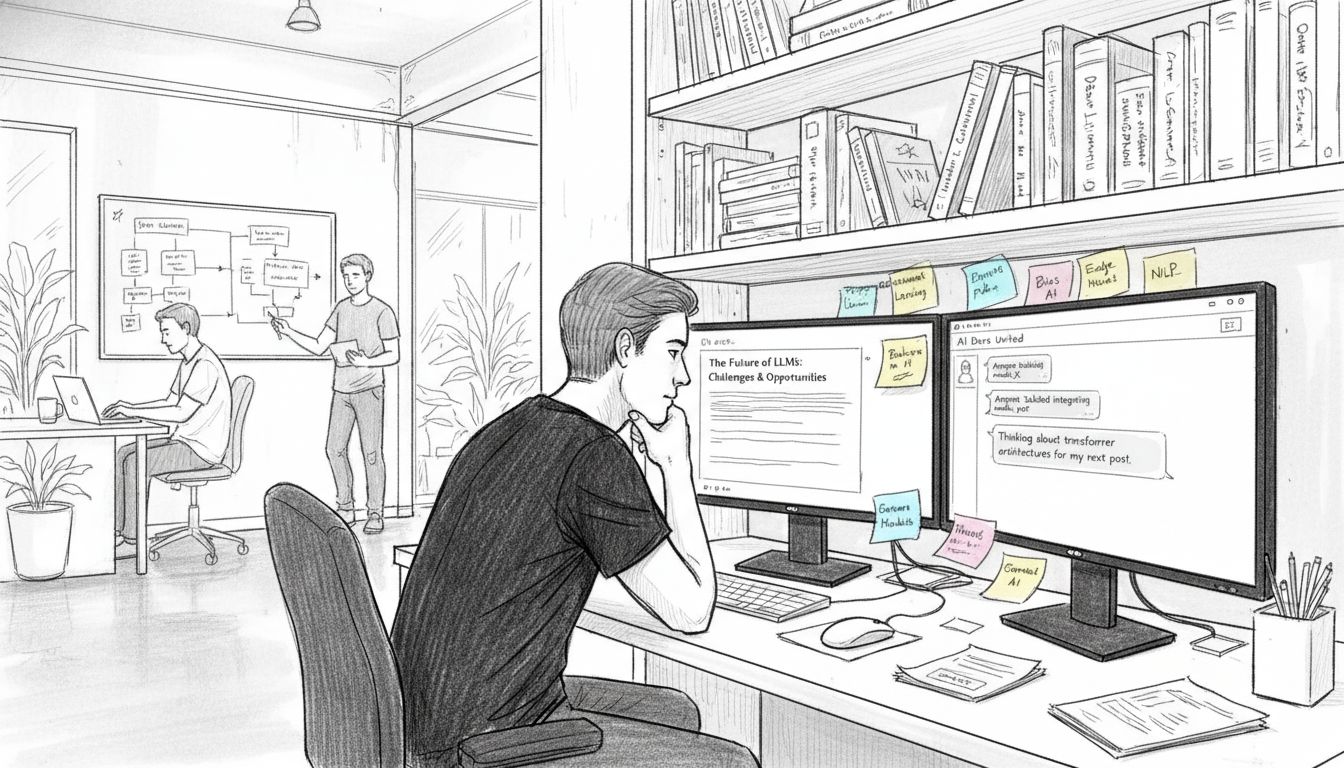
How to Write Technical Blogs for AI Engineers
Over 80 percent of AI engineers say they struggle to find technical blogs that match their needs and experience level. With artificial intelligence advancing at a rapid pace, choosing the right topics and tailoring them to your actual readers has never been more important. This guide will show you how to create blog content that stands out by bridging knowledge gaps and solving real engineering problems.
Table of Contents
- Step 1: Identify Key AI Topics And Target Readers
- Step 2: Research Practical Insights And Gather Resources
- Step 3: Draft Structured, Solution-Focused Content
- Step 4: Integrate Code, Visuals, And Real-World Examples
- Step 5: Review, Edit, And Optimize For Clarity
Step 1: Identify key AI topics and target readers
Writing compelling technical blogs for AI engineers requires strategic topic selection and understanding your specific audience. As research from Oxford AI Competency Centre highlights, successful communication starts with deeply understanding who you are writing for.
To identify key AI topics, start by mapping current technological trends and emerging research domains. Consider topics that intersect practical engineering challenges with cutting edge developments like large language models, machine learning architectures, AI system design, or MLOps implementation. University of the District of Columbia suggests tailoring content specifically to your target readers experience level whether they are junior engineers, senior architects, or technology leaders.
Your target audience will dramatically influence both topic selection and technical depth. Junior engineers might appreciate foundational explanations and step by step tutorials, while senior practitioners will seek nuanced insights into advanced implementation strategies. Always ask: What specific knowledge gap are you helping your readers bridge? The most engaging technical blogs solve real problems and provide actionable technical insights readers cannot easily find elsewhere.
Pro tip: Before writing, validate your topic by discussing potential article concepts with actual AI engineers in professional communities or online forums. This helps ensure your content delivers genuine value and addresses current industry needs.
In the next section, we will explore how to research and validate your chosen AI engineering topics to maximize reader engagement.
Step 2: Research practical insights and gather resources
Researching and gathering resources for technical AI blogs requires a systematic and strategic approach. As highlighted in the TutorialBank research, effectively curating insights from comprehensive datasets can dramatically enhance the quality and depth of your technical content.
Start by exploring academic repositories like arXiv, ACM Digital Library, and IEEE Xplore to find cutting edge research papers and technical reports. DeepShovel research demonstrates how AI assisted platforms can help efficiently extract and synthesize information from complex academic literature. Focus on recent publications within specific AI domains such as machine learning, natural language processing, computer vision, and MLOps to ensure your content reflects the latest technological developments.
Develop a robust research workflow that includes multiple information sources. Follow prominent AI researchers and engineering teams on platforms like GitHub, LinkedIn, and academic blogs. Subscribe to technical newsletters from organizations like Google AI, OpenAI, and DeepMind to stay updated on emerging trends. Create a dedicated research folder where you can systematically organize academic papers, technical documentation, and insights that might inspire future blog content.
Pro tip: Use reference management tools like Zotero or Mendeley to track and organize your research materials. These platforms help you maintain a structured library of sources and generate citations effortlessly.
In the next section, we will explore how to transform your gathered research into compelling technical blog content that resonates with AI engineering audiences.
Step 3: Draft structured, solution-focused content
Crafting technical blogs for AI engineers requires a methodical approach to content creation that transforms research into actionable insights. As demonstrated by PyZoBot research, integrating AI powered knowledge management can significantly streamline the drafting process for technical content.
Begin by creating a clear structural framework that guides readers through complex technical concepts. Your blog should follow a logical progression: introduce the problem, explain the technical context, present potential solutions, and provide actionable implementation strategies. Each section should build upon the previous one, creating a narrative that helps AI engineers understand not just the what but the why behind technical challenges.
Focus on creating solution-oriented content that goes beyond theoretical explanations. Break down complex AI engineering concepts into digestible segments with practical code examples, architectural diagrams, and real world application scenarios. Emphasize the specific pain points your content addresses and provide clear step by step guidance that engineers can immediately apply in their professional contexts.
Pro tip: Use a consistent formatting approach with clear headings, code blocks, and visual aids to enhance readability. Technical blogs that balance depth of information with clarity of presentation will always stand out in the AI engineering community.
In the next section, we will explore how to refine and polish your draft to ensure maximum impact and technical accuracy.
Step 4: Integrate code, visuals, and real-world examples
Creating compelling technical blogs for AI engineers demands a strategic approach to presenting complex information through practical demonstrations. As DeepShovel research reveals, extracting and integrating meaningful visuals can dramatically enhance the comprehension of technical content.
TutorialBank dataset research underscores the importance of incorporating diverse code snippets and practical examples that bridge theoretical concepts with actual implementation. When integrating code, prioritize clarity and relevance. Select code examples that illustrate specific technical challenges, using well commented scripts that demonstrate not just the how but the underlying reasoning. Architectural diagrams, flowcharts, and system design illustrations can transform abstract AI concepts into tangible visual narratives that resonate with engineering professionals.
Real world examples are the cornerstone of impactful technical writing. Choose scenarios that reflect genuine industry challenges and showcase how the discussed techniques solve practical problems. When possible, reference open source projects or actual implementation case studies that provide context and credibility to your technical explanations. Annotate your code and visuals extensively and ensure that each example builds a clear progression of understanding.
Pro tip: Always include context for your code examples. Explain the problem being solved, the approach taken, and potential variations or alternative implementations to provide a comprehensive learning experience.
In the next section, we will explore how to refine your technical content through expert review and iterative improvements.
Step 5: Review, edit, and optimize for clarity
Refining technical blogs for AI engineers requires a meticulous approach to editing that transforms complex technical content into clear and accessible insights. As recommended by SciELO guide, the review process demands careful attention to both technical accuracy and communicative clarity.
University of the District of Columbia emphasizes the importance of systematic content optimization. Begin by conducting a multi stage review process. First, assess the technical precision of your content ensuring that each technical explanation is accurate and demonstrates deep understanding. Then focus on readability by simplifying complex sentences, removing unnecessary technical jargon, and creating a logical flow that guides readers through intricate AI concepts.
Consider implementing a structured editing approach that includes multiple review passes. During the first pass, evaluate the overall technical coherence and argument structure. The second pass should focus on sentence level clarity and technical terminology. Your final review should concentrate on ensuring that each paragraph contributes meaningfully to the readers understanding of AI engineering concepts. Pay special attention to eliminating redundant explanations and ensuring that technical details are presented with precision and clarity.
Pro tip: Read your draft aloud. This technique helps identify awkward phrasings, overly complex sentences, and areas where technical explanations might become convoluted.
In the final section, we will discuss strategies for publishing and promoting your technical AI blog to reach the right audience.
Take Your Technical Writing to the Next Level
Writing clear and actionable technical blogs for AI engineers is a challenge that goes beyond just understanding AI concepts. This article highlights the struggle to transform complex research into digestible, solution-focused content that resonates with your readers. If you feel overwhelmed by refining your ideas, integrating practical examples, or finding the right balance between depth and clarity, you are not alone. Many aspiring AI writers face these exact hurdles while aiming to bridge theory with real-world implementation.
Ready to elevate your technical writing skills and connect with a community of AI engineers who share your passion? Join the AI Native Engineer community on Skool where you can collaborate with fellow engineers, share your insights, and get feedback on your technical content. Don’t let the challenges of technical writing hold you back from sharing your expertise. Join now and transform your knowledge into impactful content that the AI engineering community values.
Frequently Asked Questions
How do I identify key AI topics for my technical blogs?
To identify key AI topics, map current technological trends and emerging research domains that intersect with practical engineering challenges. Focus on areas like machine learning architectures or MLOps implementation, and validate your ideas by discussing them with AI engineers in professional communities or online forums.
What should I include in my research for writing technical blogs for AI engineers?
Include academic papers, recent publications, and insights from industry leaders in your research. Use diverse sources to create a robust research workflow that helps you gather comprehensive insights relevant to your chosen topic.
How can I structure my technical blog to engage AI engineers?
Create a clear structural framework that introduces the problem, explains the context, and presents actionable solutions. Ensure that each section logically builds upon the previous one, helping readers understand the concepts clearly.
What types of visuals and examples should I integrate into my technical blog?
Incorporate code snippets, architectural diagrams, and real-world examples that illustrate technical challenges and provide clarity. Use well-commented code and relevant visuals to demonstrate the application of theoretical concepts in practical scenarios.
How can I optimize my draft for clarity and technical accuracy?
Implement a multi-stage review process focusing first on technical precision, then on readability and flow. Simplify complex sentences and remove jargon to ensure your content is accessible while maintaining technical accuracy.
What are some effective strategies for promoting my technical AI blog?
Share your blog in relevant online forums and AI communities to reach your target audience. Engage with AI engineers on social media platforms to encourage discussion and increase your blog’s visibility.
Recommended
- Technical Writer to AI Engineer: How Documentation Skills Accelerated My Engineering Career
- The Future of Technical Documentation - Interactive AI Tutors
- Why AI Coding Tools Use Outdated Information
- Essential Reading That Will Transform Your AI Engineering Journey
- Navigating the AI Revolution: A Guide for the C-Suite