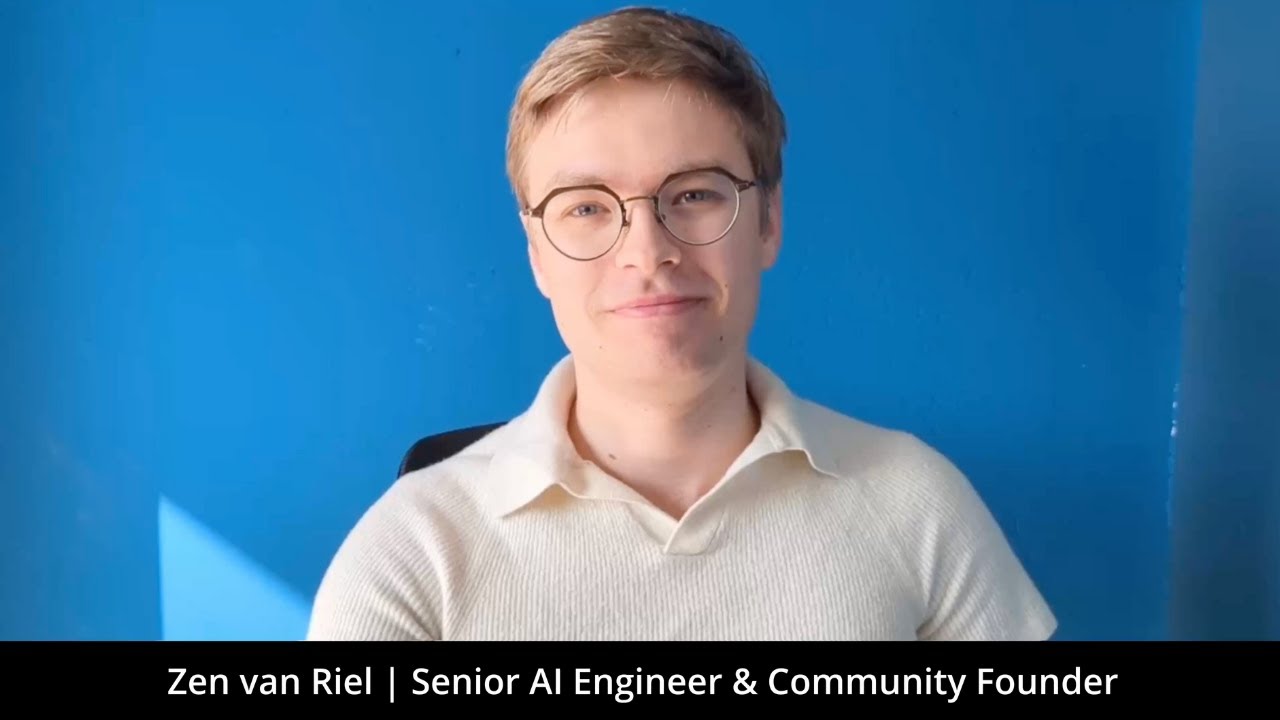
Software Engineer to AI Engineer Transition
When I was a traditional software engineer, I saw AI as both a threat and an opportunity. While many of my colleagues worried about automation, I decided to embrace the shift and transition into AI engineering. That decision accelerated my career dramatically, nearly tripling my income and compressing a decade-long career progression into just four years. Here’s the practical path I followed and what I recommend for software engineers considering the same transition.
Why Software Engineers Have an Advantage
The transition from software engineer to AI engineer is more natural than most people realize. Your existing skills provide a substantial foundation that many AI specialists lack.
Production Systems Experience: You already understand deployment, scaling, monitoring, and maintenance. These skills become invaluable in AI engineering, where moving from prototype to production remains the biggest challenge. Understanding what companies look for in AI engineers shows that production experience often matters more than AI-specific knowledge.
Software Architecture Knowledge: Designing maintainable, scalable systems translates directly to AI architecture. Many AI projects fail not because of model limitations but because of poor system design.
Debugging and Problem-Solving Skills: AI systems fail in unexpected ways. The systematic debugging approaches you’ve developed as a software engineer become essential when troubleshooting AI implementations.
API and Integration Experience: Most AI engineering involves integrating AI capabilities into larger systems. Your experience working with APIs, databases, and external services provides a significant head start.
The Skills Gap You Need to Bridge
Despite these advantages, transitioning requires developing new capabilities. Based on my own journey, here are the key areas to focus on:
Prompt Engineering: This is more than writing clever prompts. Production prompt engineering involves designing layered prompt architectures, handling edge cases, and creating testable prompt systems. This skill became central to my daily work after transitioning.
Vector Databases and Embeddings: Understanding how to store and retrieve information for AI systems is fundamental. I spent significant time learning vector search, embedding models, and retrieval optimization.
LLM Integration Patterns: Each integration challenge has established patterns. Learning when to use function calling, how to implement agents, and how to design multi-step AI workflows accelerates your effectiveness.
AI System Evaluation: Traditional software testing doesn’t fully apply to AI systems. Learning evaluation frameworks, prompt testing strategies, and monitoring approaches for AI behavior requires deliberate study.
The Practical Transition Path
Here’s the approach I followed and recommend to software engineers making this transition:
Phase 1: Foundation Building (1-2 months)
Start by building a complete AI application from scratch. I recommend a PDF question-answering system because it teaches the full integration stack: document processing, embedding generation, vector storage, retrieval, and LLM integration. This single project builds foundation skills while creating a portfolio piece.
Phase 2: Production Patterns (2-3 months)
Deepen your knowledge of production AI patterns. Study RAG system optimization, agent architectures, and deployment strategies. Build increasingly complex projects that demonstrate production thinking. Focus on reliability, cost optimization, and scalability.
Phase 3: Specialization (ongoing)
Develop deeper expertise in areas that match your interests and market demand. Some engineers specialize in specific domains like healthcare or finance. Others focus on particular technical areas like agent systems or multimodal AI.
Common Transition Mistakes
Through my own experience and helping others make this transition, I’ve observed patterns that slow people down:
Over-focusing on ML Theory: Many software engineers assume they need to understand machine learning deeply before transitioning. In reality, implementation skills matter more for most AI engineering roles. You can learn theory as needed rather than front-loading it.
Neglecting Portfolio Development: Abstract knowledge doesn’t get you hired. Build real projects that demonstrate your capabilities. Every week without a growing portfolio is a week of delayed progress.
Studying Instead of Building: Reading papers and taking courses feels productive but doesn’t develop practical skills. I advanced faster by building systems and learning through implementation than I ever did through passive study.
Ignoring the Community Aspect: Transitioning alone is slower and harder. Connecting with others making similar transitions provides feedback, accountability, and opportunities that solo learning cannot match.
The Opportunity Waiting for You
The demand for engineers who can implement AI solutions in production far exceeds supply. Companies need people with your software engineering foundation who have added AI implementation skills. This gap creates significant opportunity.
My transition from traditional software engineering to AI engineering was the best career decision I’ve made. The combination of existing software skills and new AI capabilities created more value than either skill set alone.
Ready to start your transition to AI engineering? Watch the full video on YouTube for detailed guidance on making this career move. Then join the AI Engineering community where software engineers like you are making the same transition with support, resources, and shared learning. Turn AI from a threat into your biggest career advantage!